American Force
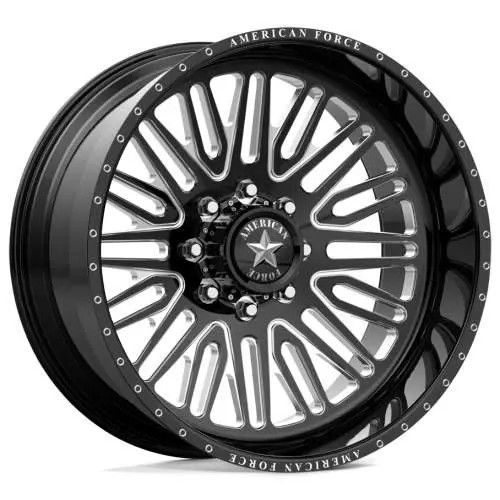
American Force Vantage CC 26x14 -90
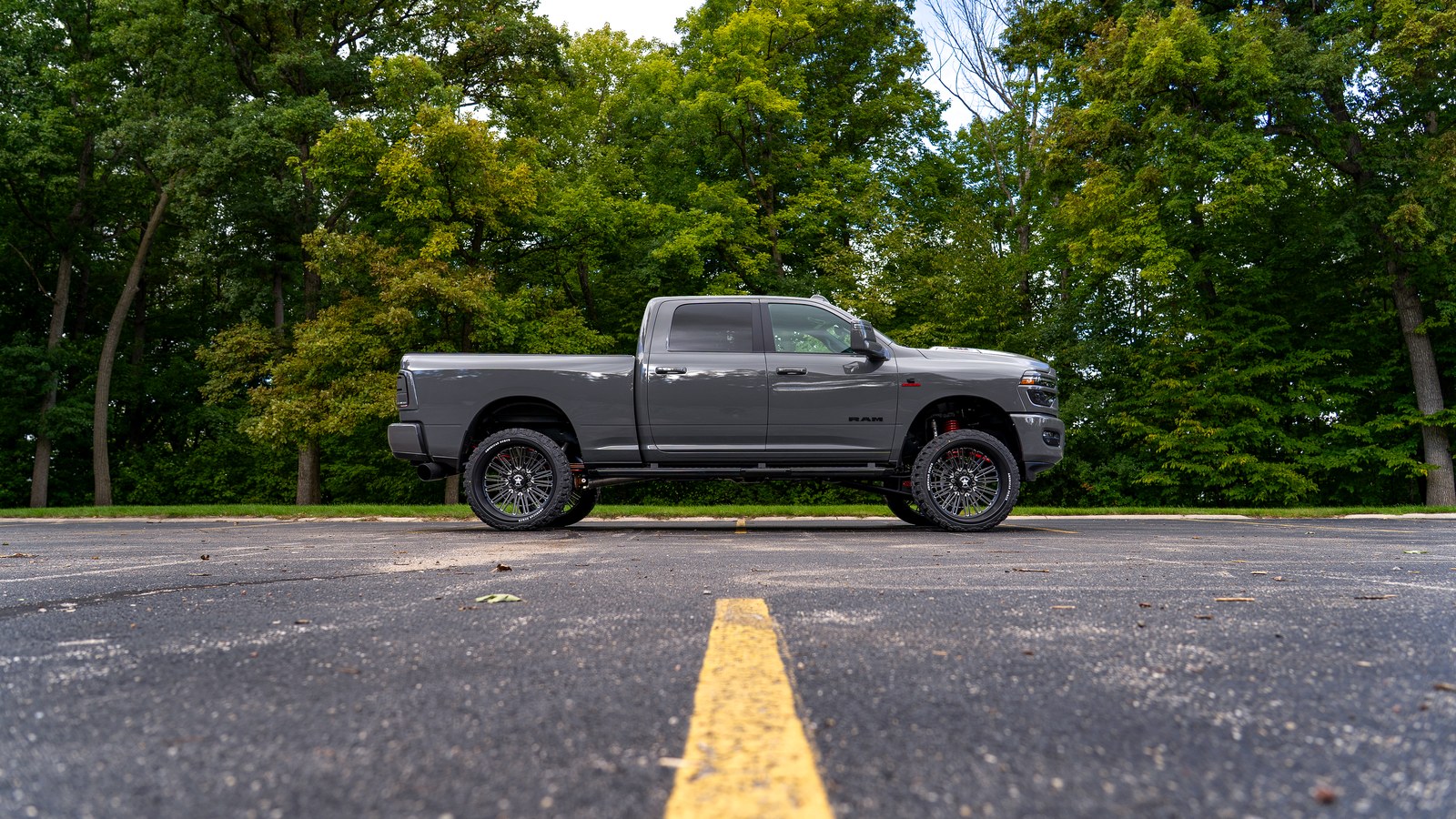
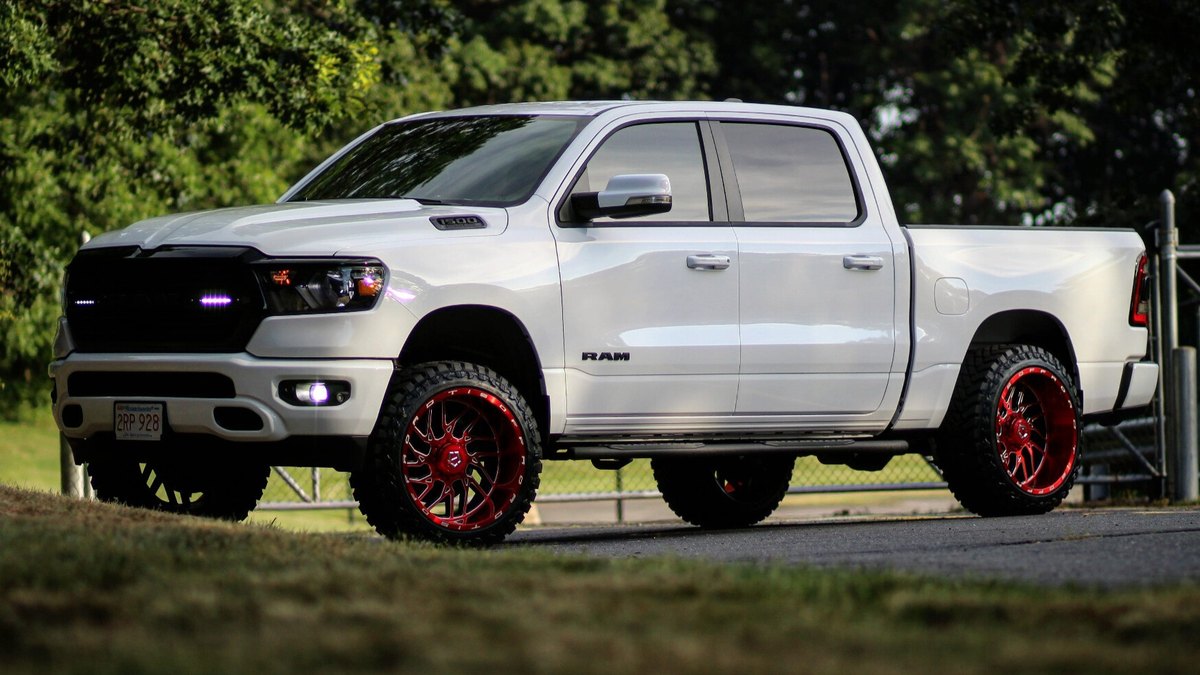
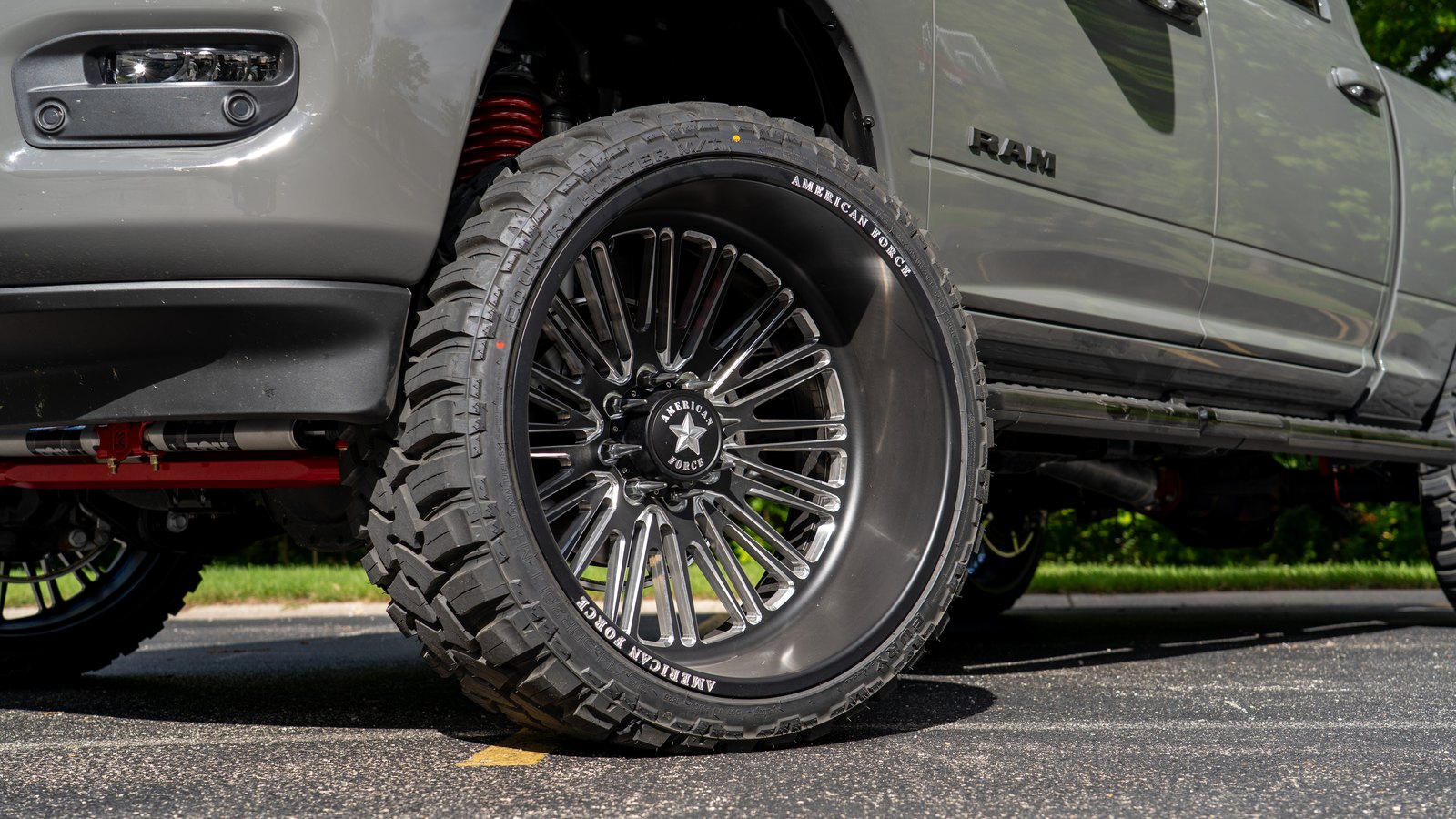
Fourteen inches wide on a 26in wheel. Nothing on this build changes the look of the truck more.
$2,433.00each
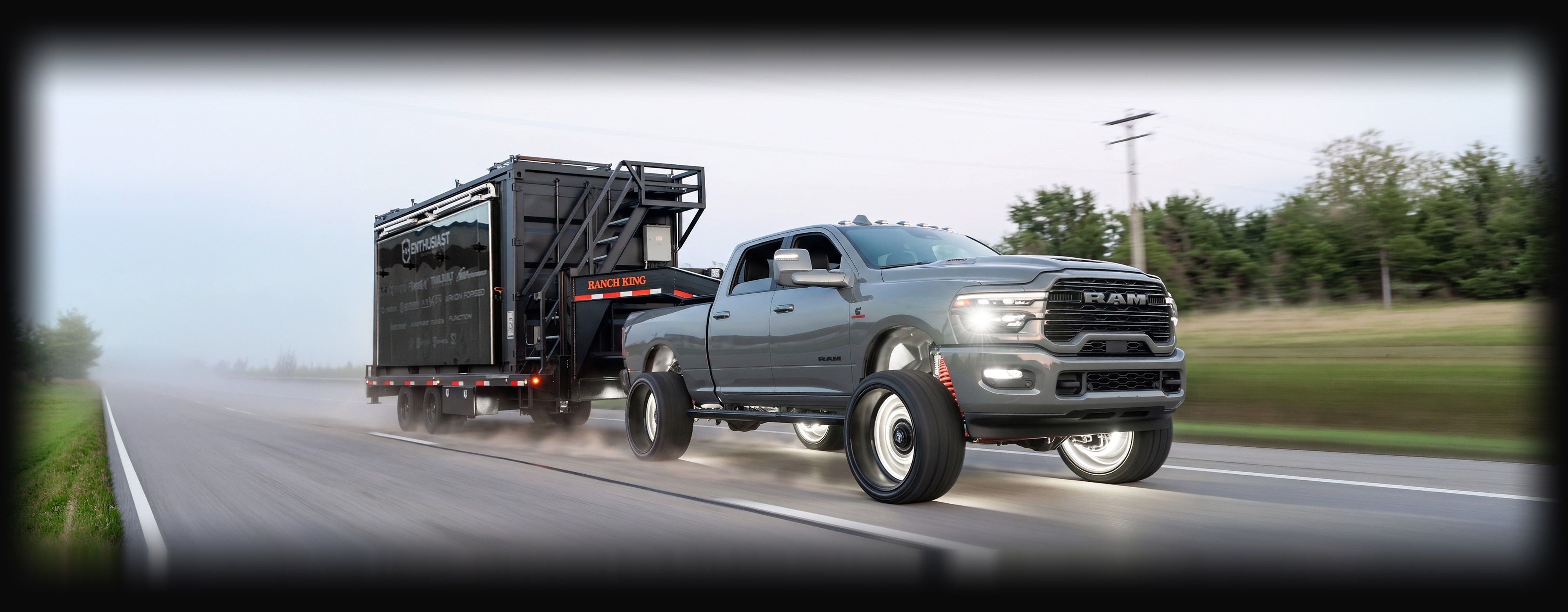
You bought a heavy duty truck to do heavy duty work. Then you look at it for a while and it's just kind of boring. So we're building one that holds its own at any show and can still tow your trailer home. Every part that goes on gets metered as a show mod, a work mod, or both. Each one pushes the slider, and at the end we find out where the build landed.
Every part on this truck gets a call. Some of it helps on a job site. Some of it only matters in a parking lot. Most of it does a bit of both. Pick a part and the pointer shows where it sits. The green marker is the running average, and that's the whole point: we're trying to land right in the middle. Not boring, still capable.


Check your eligibility with no impact to your credit score. You'll get a decision in seconds and see your exact terms before you commit. Pick the one that fits and start ordering parts.
Finance the whole build through Custom Offsets: wheels, tires, lighting, steering, and accessories on one approval. As low as 0% APR for qualified buyers, with predictable monthly payments and no late fees or hidden fees.
Pre-qualify with AffirmKatapult's lease-to-own option gets the parts on your truck for as low as $1 down, with a decision in seconds and no credit required. It's built for buyers who are still establishing or rebuilding credit.
Pre-qualify with KatapultYour rate will be 0% APR or 10 to 36% APR based on credit, and is subject to an eligibility check. Payment options through Affirm are provided by these lending partners: affirm.com/lenders. Options depend on your purchase amount, and a down payment may be required. Katapult is a lease-to-own program with its own terms, not a loan. Learn more about payment options at Custom Offsets.
Everything that went on the 2026 Ram 3500, grouped the way it went on the truck. Filter by category to see one group at a time.
Fourteen inches wide on a 26in wheel. Nothing on this build changes the look of the truck more.
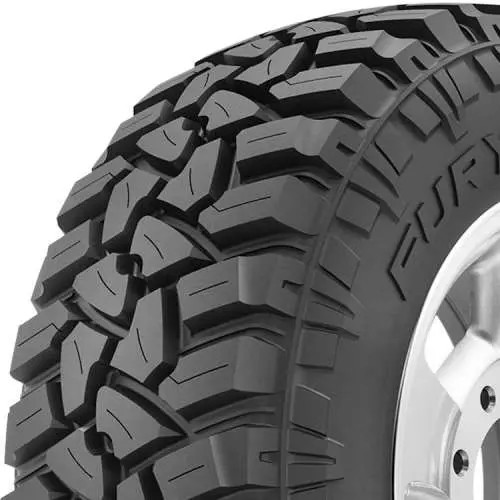
A 35in mud terrain in a 14.50 section width to match the wheel, rated Load Range F with a 121 load index. That rating matters, because a tire this wide is easy to buy in a rating that can't carry what a 3500 is built to pull.
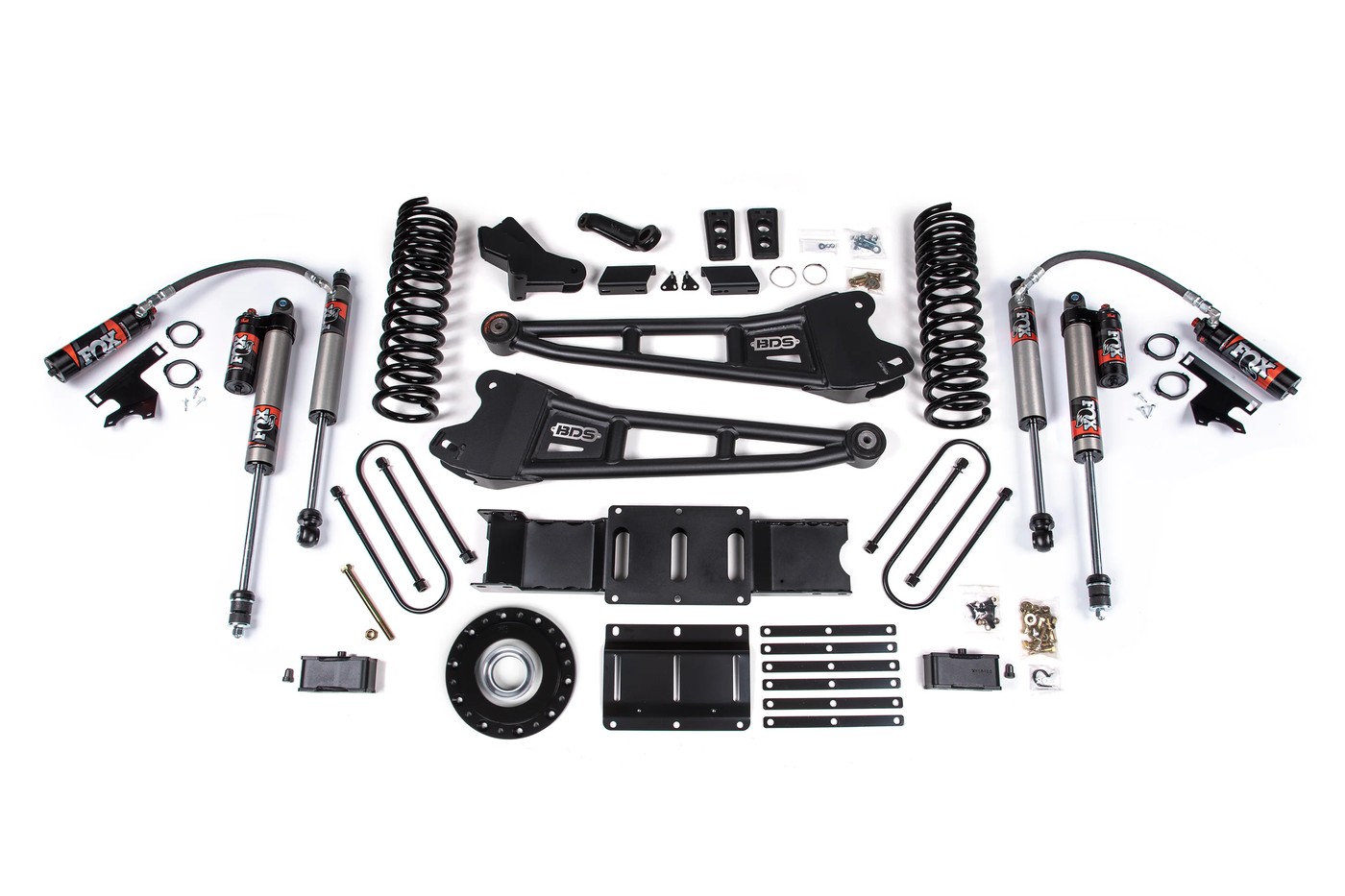
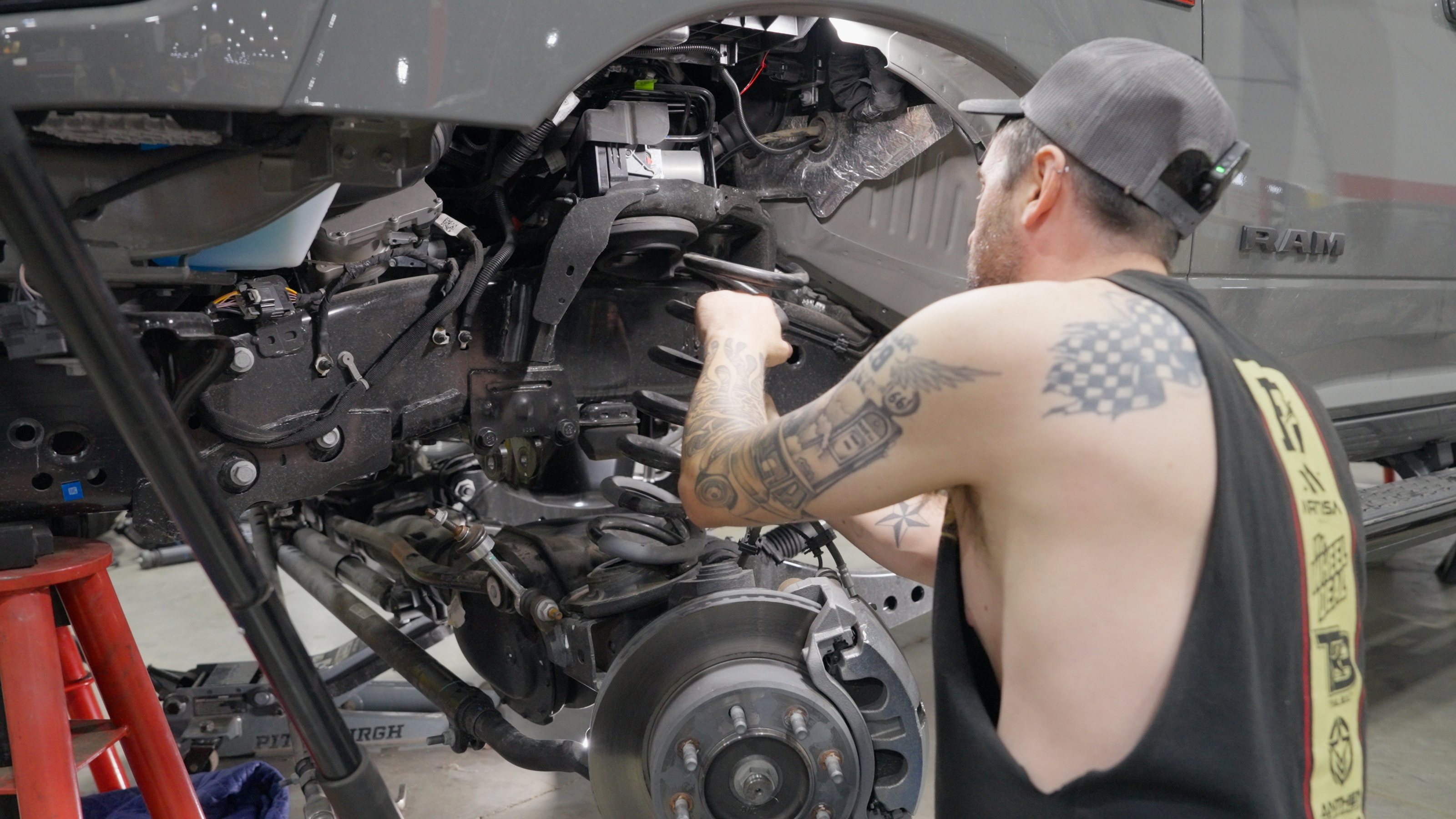
A 4in lift with radius arms and dual rate coil springs. It's just big enough to make the 26x14s fit, and it keeps the truck comfortable to drive every day.
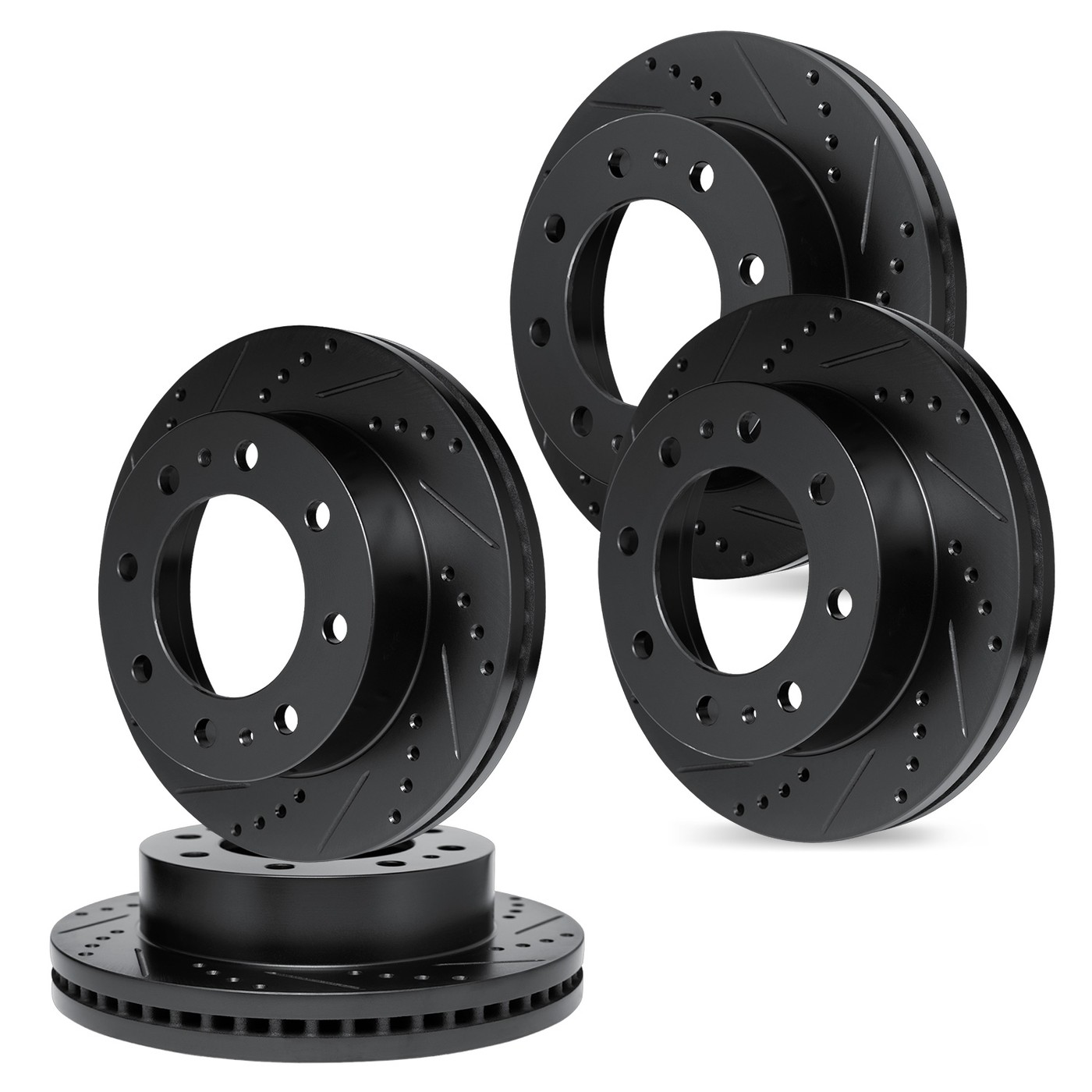
Drilled and slotted rotors in a black finish for the 2026 Ram 3500. The slots and drilling help the pads shed heat, which matters now that the tires got heavier and the trailer didn't get lighter. The black finish keeps the rotor from looking rusty behind an open spoke wheel.
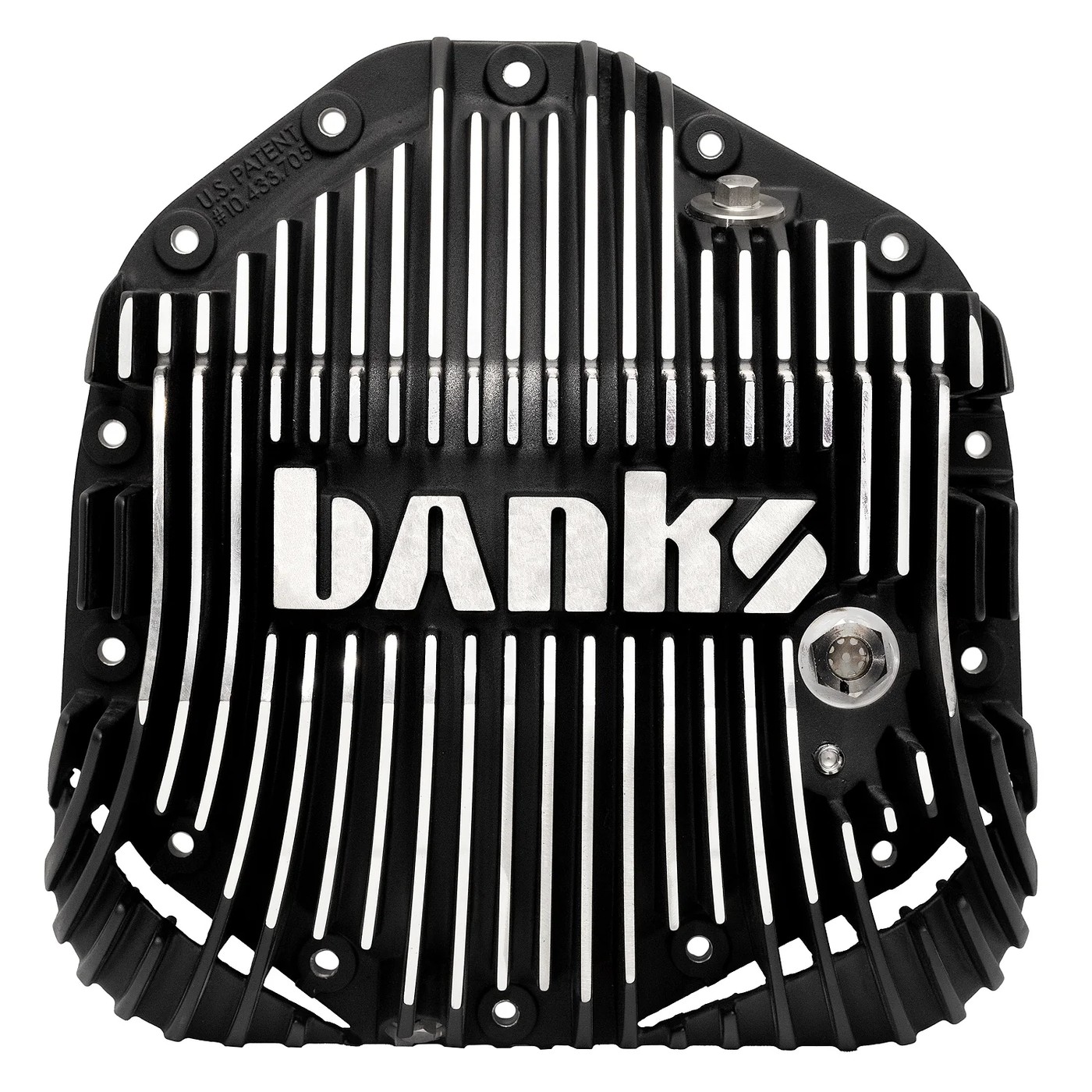
A finned cover for the AAM rear axle, hardware included. Gear oil is the first fluid to give up when you drag a gooseneck up a grade in summer, and the scoops force air over the fins to keep it cooler with less fluid than the big flat back covers. Heads up: it doesn't fit Ram trucks with airbag suspension alone, and the factory sway bar needs spacers.
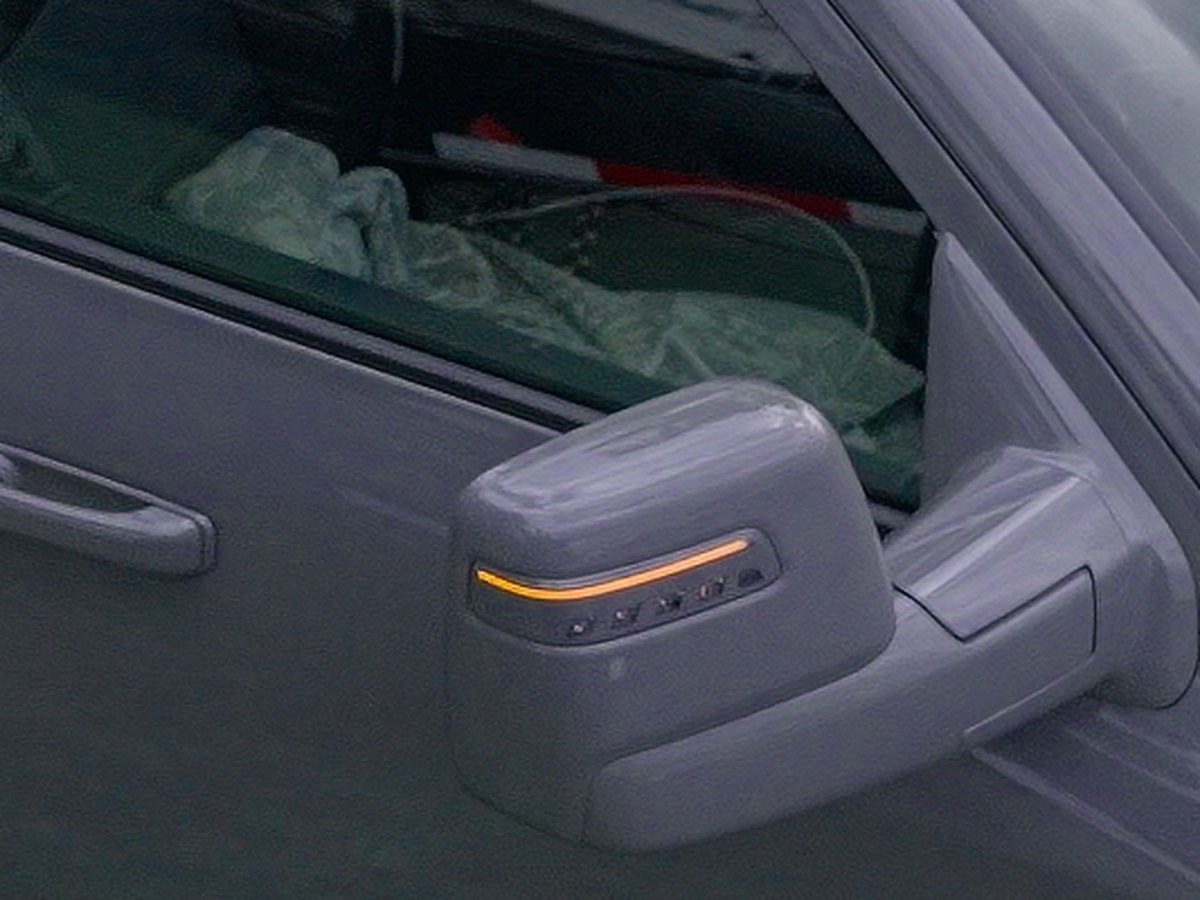
Switchback LEDs that drop into the factory tow mirror housings. These are best used for clearance lighting and turn signals, of course.
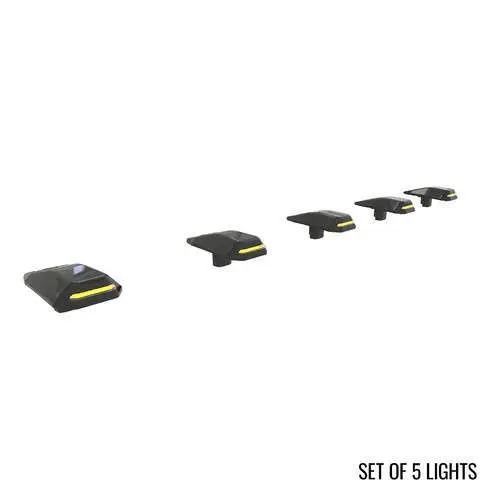
LED cab lights across the roof. On a truck that didn't come with them, it's the change you notice from the furthest away, and it's here for the look, plain and simple.
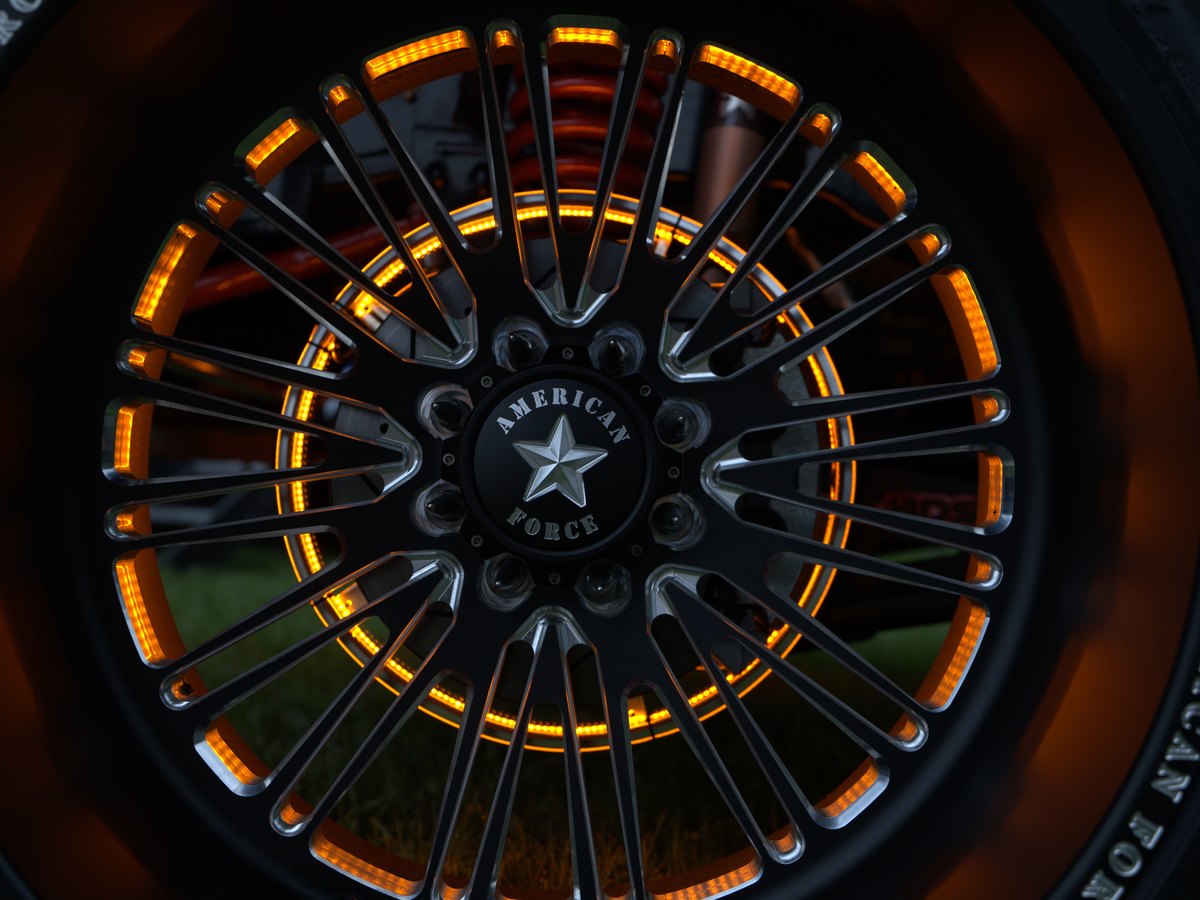
The full glow setup, all for looks. UltraLux rock lights under the body, ring lights inside the wheels, each on its own harness, and the install is an afternoon on a creeper running wire. None of it makes the truck work better. That's the point.
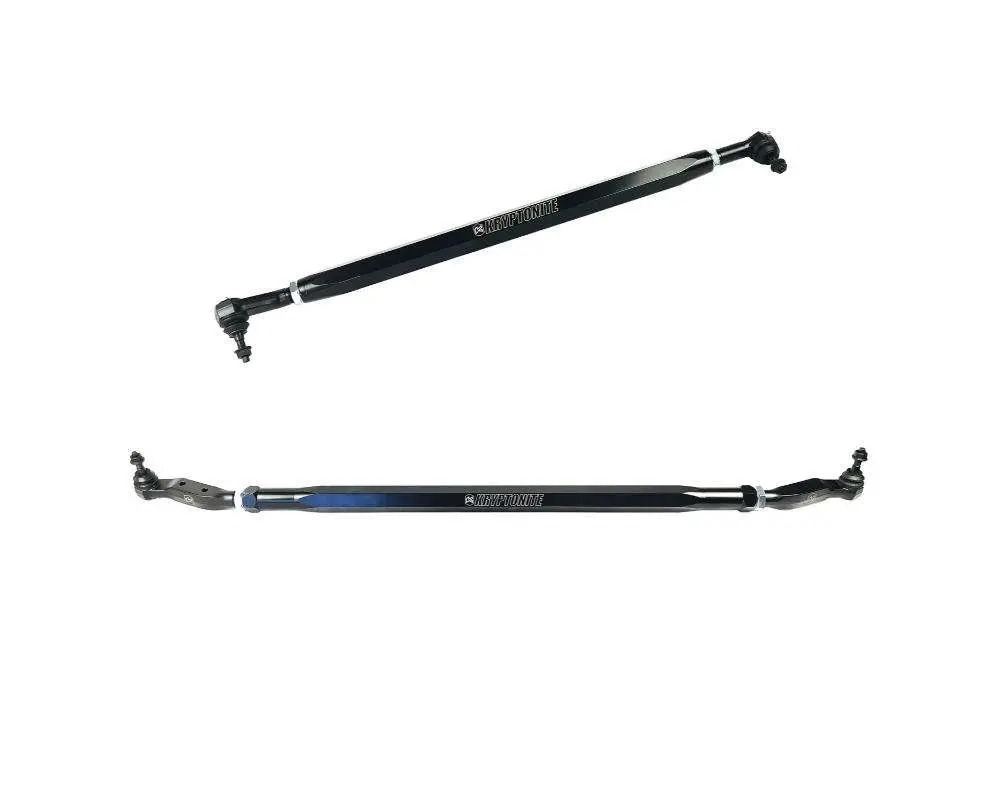
Solid 7075 aluminum links with a 2in outer diameter and heavy duty rod ends, built to hold alignment from stock height up to a 6in lift and backed by a lifetime warranty. 14in wide wheels put more leverage on the steering than Ram planned for, and this kit keeps the wheel from wandering when a trailer starts pushing.
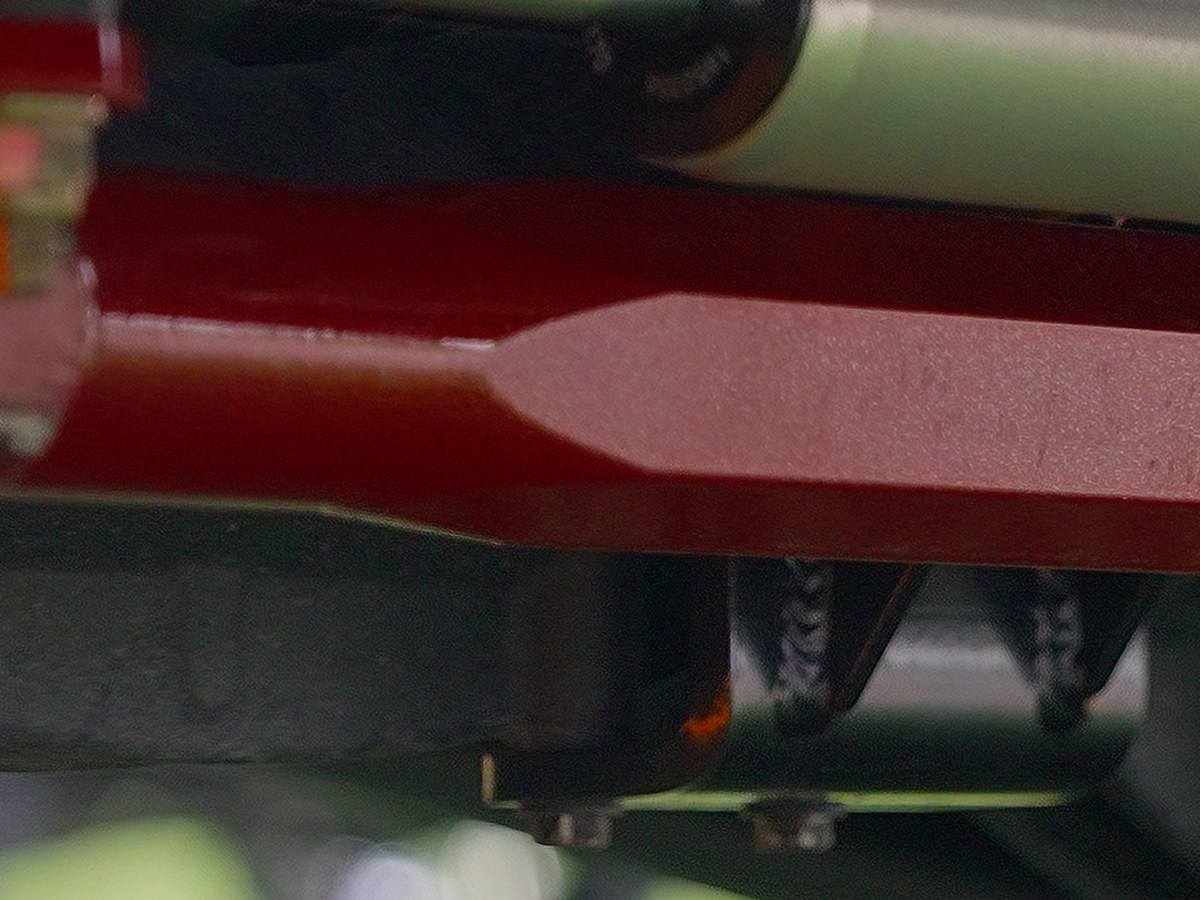
A forged adjustable track bar that lets you re-center the axle. Lift a solid front axle and it stops sitting centered under the truck, and the factory bar is a fixed length, so it can't put it back.
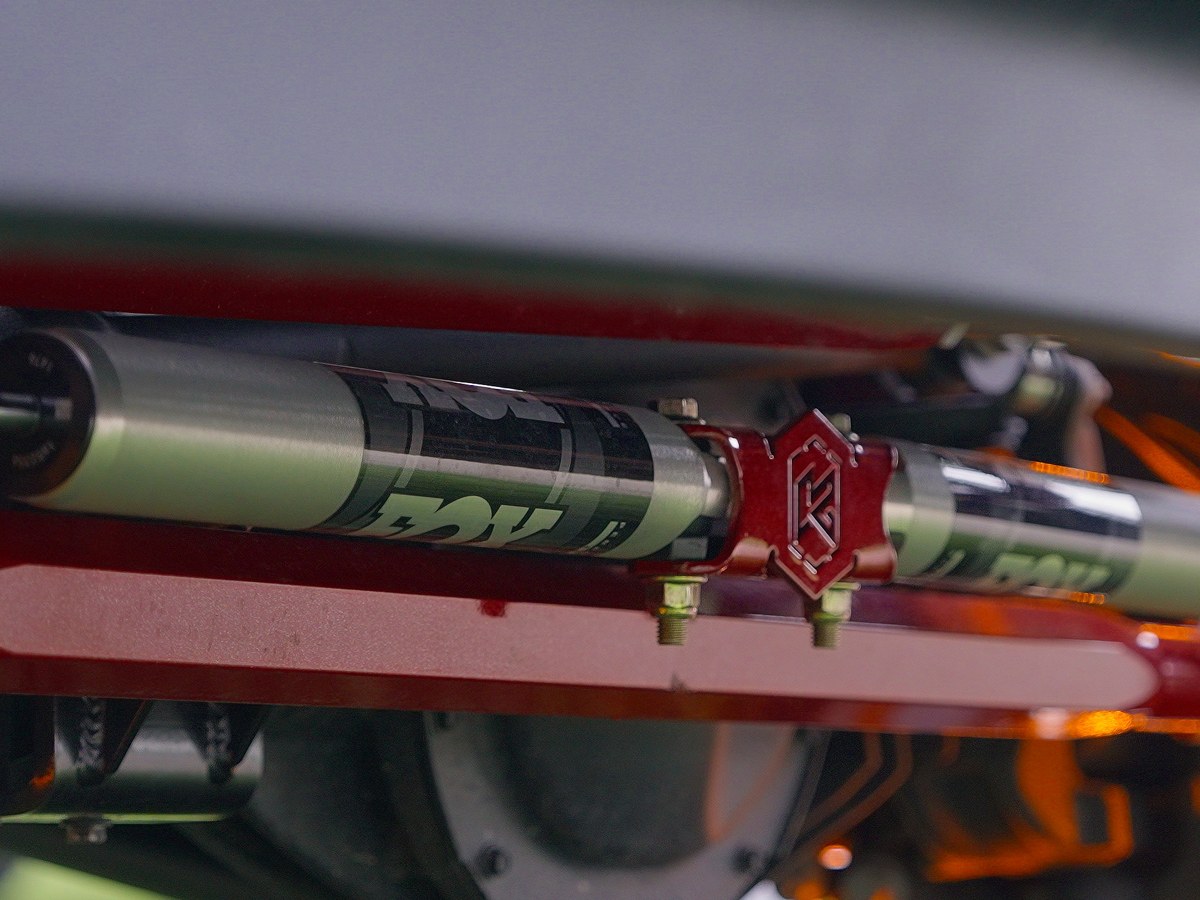
Two Fox 2.0 Performance Series shocks across the steering to cut shimmy and bump steer. One stabilizer runs out of damping with a 35in mud terrain at highway speed. Two don't.
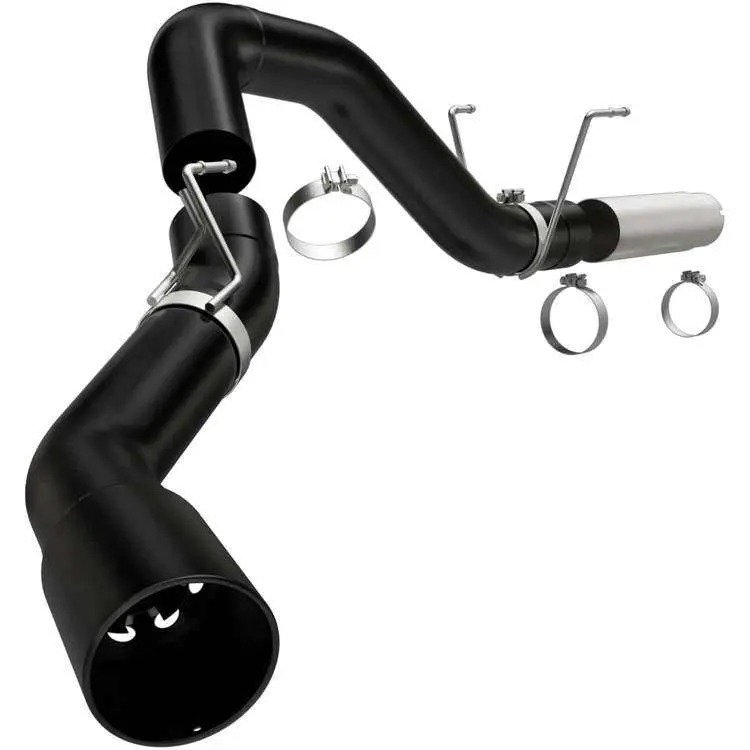
A 5in stainless DPF back system in a black finish. It bolts on behind the factory DPF, so all the emissions equipment stays put. It's not a power part on a truck this new. What it changes is the exit volume of the exhaust gas.
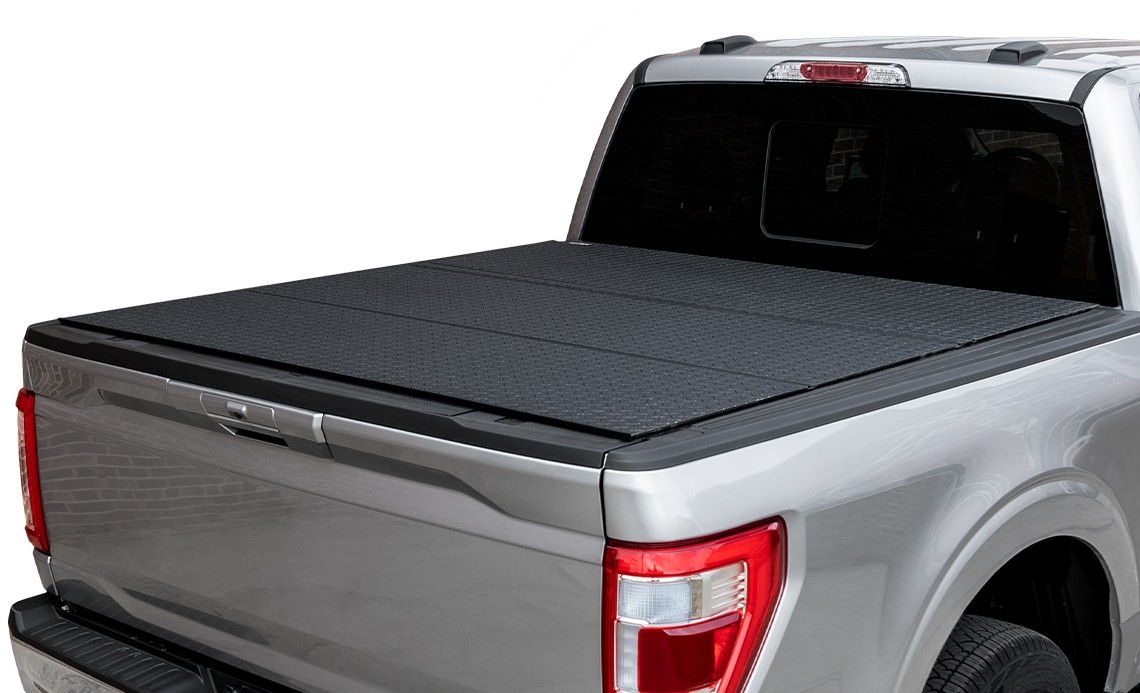
A hard folding cover for the bed, and honestly both a show part and a work part. It keeps cargo and gooseneck hardware dry and cleans up the back of the truck.
Every part, every call, and the meter moving after each one. Hit play and see where the truck ends up.
You bought a heavy duty truck to do heavy duty work. Then you look at it for a while and it's just kind of boring. That's exactly where we were with this 2026 Ram 3500.
So this build asks one question: what can you add, and what should you skip, to keep a work truck working while it looks good doing it? Every part got called a show mod, a work mod, or both, and the meter at the top of this page kept score the whole way.
We build one of these every year, and we always drift too far toward show. It's easy to overdo it when all the fun parts are sitting right there. This time, the goal was to land in the middle.
The 26x14s are the widest we can go without losing towing ability, which makes them the one decision that limits everything else. Honestly, they're almost too wide. You can go wider on a 4in lift if you want the look, but if you haul heavy, go narrower.
A 14in wide wheel changes more than the look. It moves the contact patch outboard, and the bearings, steering links, and track bar all feel that on every mile. That's why 26x14 was our ceiling, not our starting point, and it's why three of the next four parts exist to hold the front end straight underneath it.
Four groups do the real work, and only one of them is visible with the truck sitting still.
The Kryptonite steering group is the one nobody sees and the one this truck needed most. Solid 7075 links and a dual stabilizer on two Fox 2.0 shocks, all hidden behind the wheels, all there because a 14in tire puts more leverage on the steering than Ram planned for.
The BDS track bar goes on for the same reason: lift a solid axle and it stops sitting centered under the truck. An adjustable bar puts it back.
The differential cover is the quiet one. Gear oil is the first fluid to give up when you drag a gooseneck up a grade in July, and the finned Banks cover keeps that oil cooler instead of asking you to carry more of it. Drain, clean, bolt on, refill. It's an afternoon.
The brakes are the least exciting parts on the truck and the first ones you'd miss. Drilled and slotted rotors, black so they don't look rusty behind an open spoke wheel, on a truck whose tires got heavier while the trailer stayed just as heavy.
The glow kit is the purest show part here. Rock lights under the body, ring lights in the wheels, an afternoon on a creeper running wire, and none of it makes the truck work better. Park it after dark at a show and it's the first thing people walk over to.
The cab and mirror lights are all about the look. They trace the roofline and the sides of the truck so it reads as one finished build instead of a truck with some lights added on.
The billet diesel and DEF caps are the cheapest change on the whole build and the one only you'll ever see. Nobody opens your fuel door but you.
And the exhaust. A 5in DPF back in black that leaves every piece of emissions equipment on the truck. It looks like a work part and scores like a show part, and we called it that way.
Dead center, for the first time ever.
Nine parts averaged out, and the marker sits right on the middle. The glow kit pulled hard toward show, the steering group pulled just as hard toward work, and the two mostly cancel out.
That's the story of the build. The truck spent its summer parked on grass at shows and hooked to a gooseneck the rest of the week.
If your truck still works for a living, don't leave a part off. Come down a number instead. Go narrower than 14in. Everything else on this list either helps the truck do its job or costs nothing but money.
That's the whole question this build exists to answer. The rule was simple: every part gets called a show mod, a work mod, or both, and we track the running average instead of guessing at the end. Land in the middle and you've got a truck that turns heads at a show and still hooks up to a trailer on Monday. This one landed dead center, and the real proof is that the truck spent its whole summer doing both jobs.
On this truck, 14in wide is the line. It's the widest we could go without losing towing ability, and honestly, it's almost too wide.
A work mod changes what the truck can do: runs cooler, stops better, steers straighter under load, keeps the bed dry. A show mod changes how it looks and nothing else. Plenty of parts are both, which is why the meter is a scale and not a switch. Watch out for the parts that look great and quietly cost you capability.
Three. The wheels are the big one: 26x14 is as wide as this truck goes without giving up towing, so if yours works every week, go with a narrower set. Drilled rotors are the wrong call if you tow at the top of the rating, since drilling adds stress risers and heat cycling is what kills rotors behind a gooseneck. And the glow kit is the easy skip. It costs you nothing in capability. Everything else here either helps the truck work or doesn't sacrifice anything for performance.
Dead center. The glow kit pulled it furthest toward show, the Kryptonite steering group pulled it furthest toward work, and the two nearly cancel out.
The lift, track bar, steering group, diff cover, and exhaust are all cut for this chassis and axle, so a Ford or GM owner needs the equivalent, not the same box. What transfers is the order of operations: pick the lift that fits your tire instead of the tallest one on the shelf, spend on steering and cooling before lighting, and leave the emissions equipment alone. Run your year, make, and model through the fitment tool and it'll only show you what actually bolts on.
Fresh build guides, brand breakdowns, and behind the scenes from the Custom Offsets team. No filler. Real fitment, real builds, real opinions.
Run your truck through the fitment gallery, see this setup on your exact year and trim before you spend a dollar, and order the whole build in one shot.